
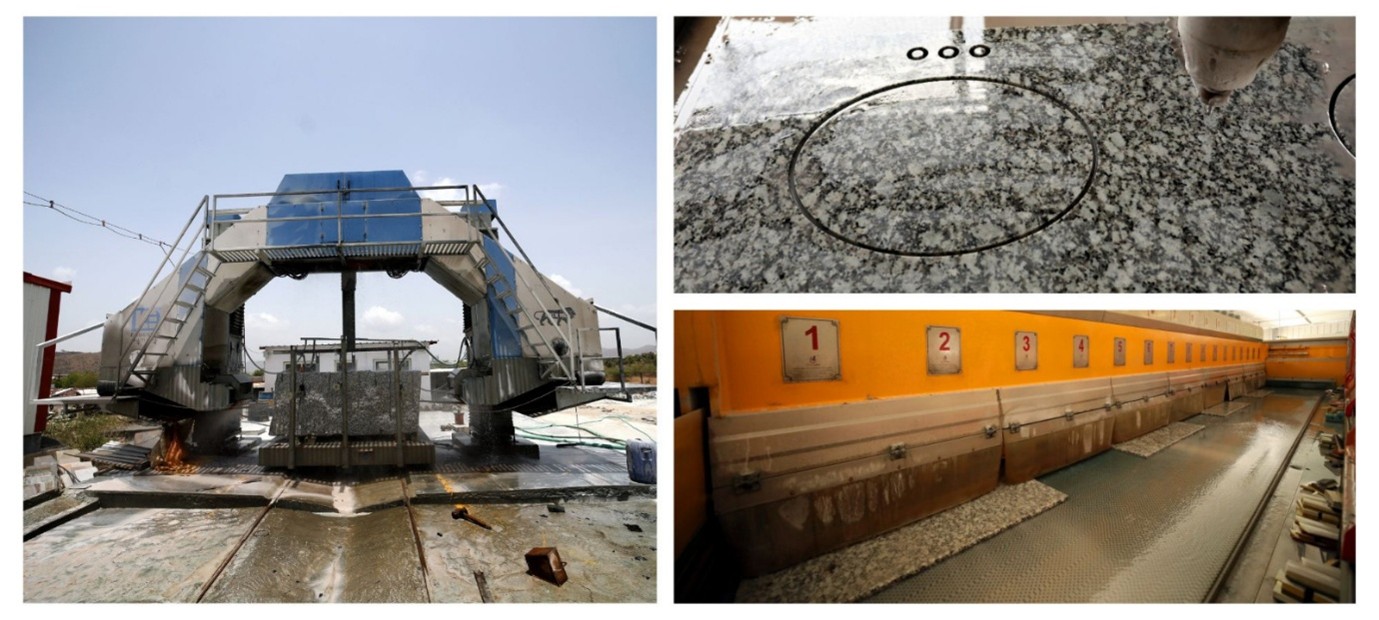
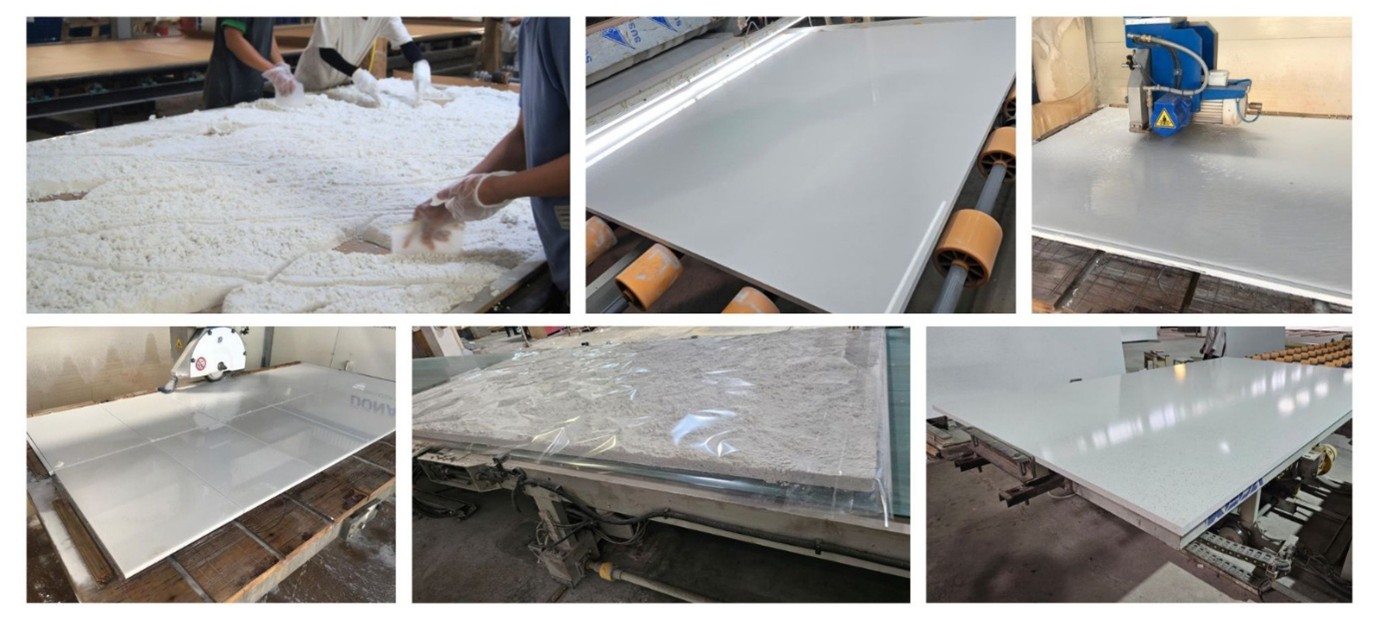
At Oceanic6 Solutionz, we know that even perfect fabrication means nothing if slabs get damaged during loading. This stage carries the highest risk in the entire export process. That’s why we use trained forklift operators, heavy-duty lifting equipment, and engineered 4-way wooden crates to ensure every granite and quartz shipment reaches you safely.
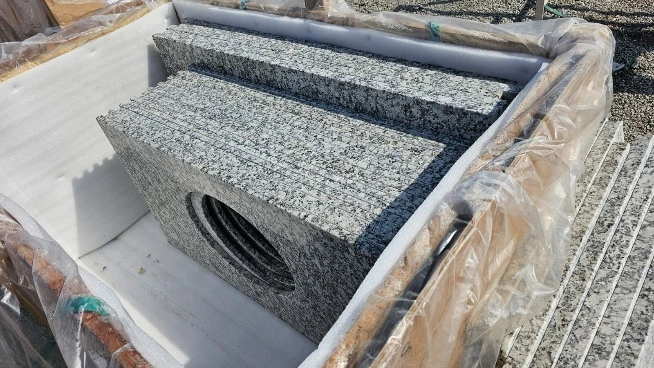
Granite and quartz are durable materials but they are still able to crack or chip if they are not handled properly.
Generally, the damages that have been done are caused by:
With our modern loading method, the dangers of such incidents are completely removed by exact handling and the use of appropriate equipment.
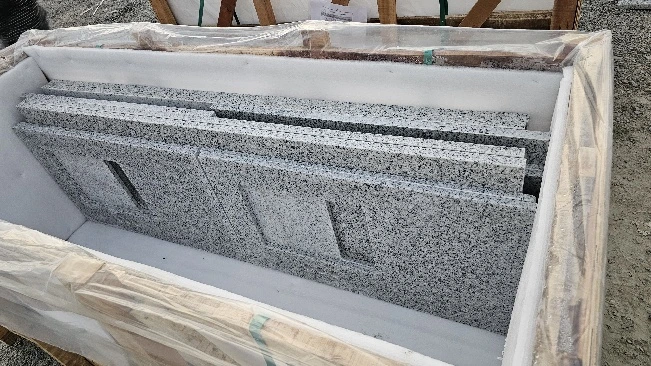
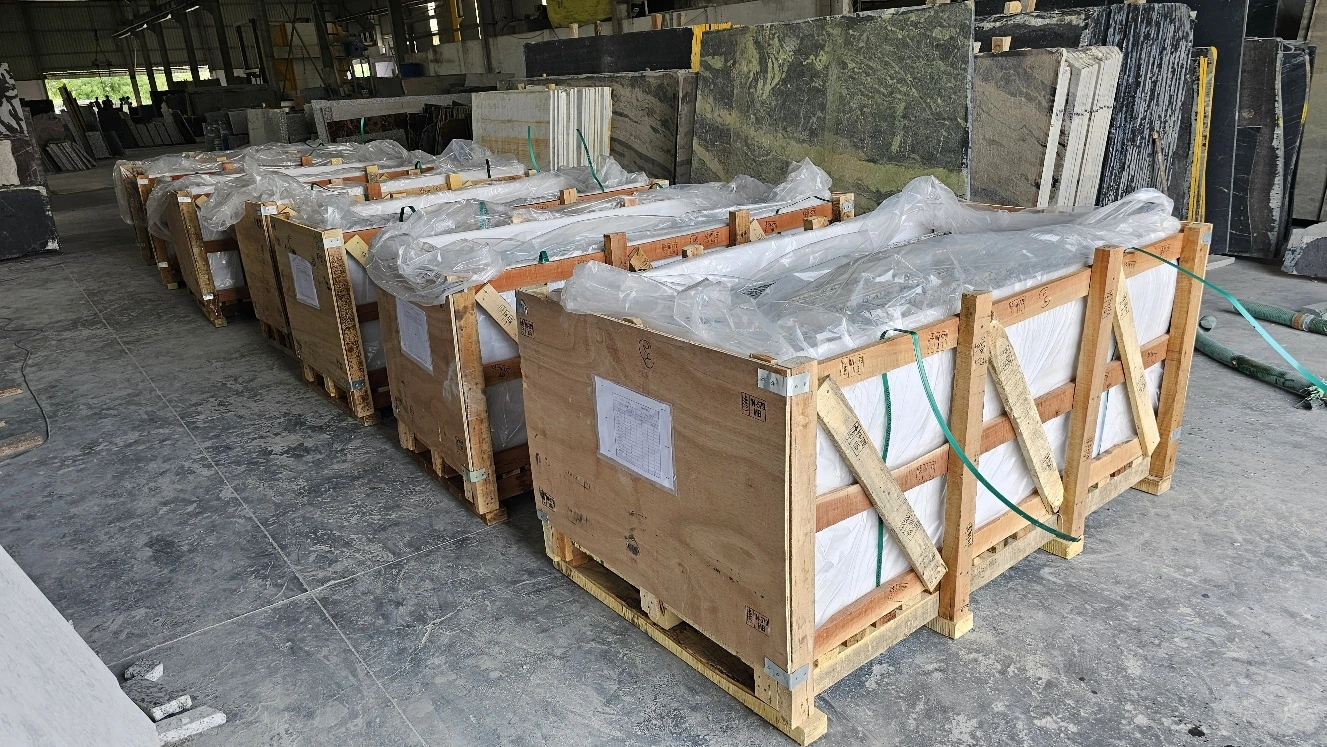
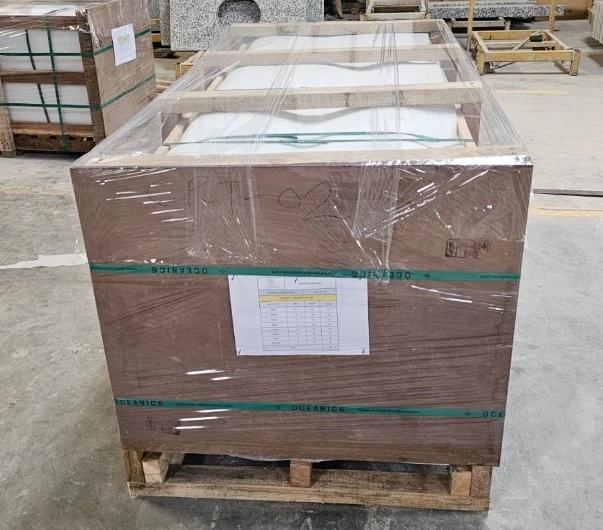
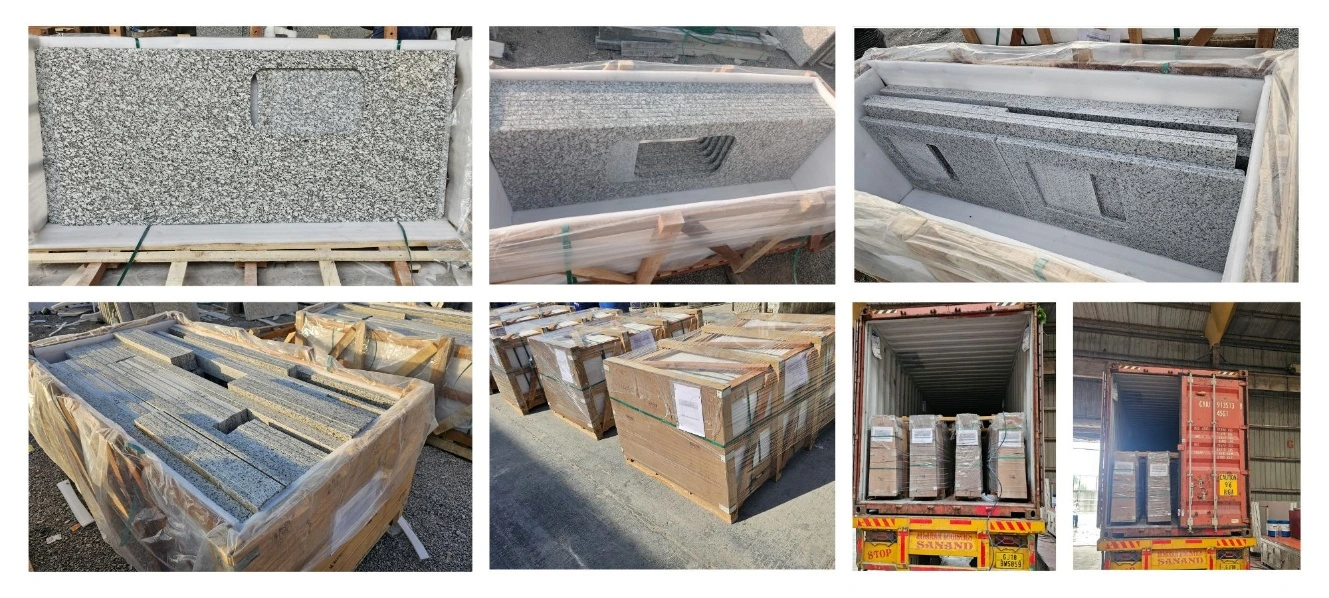
Our 4-way wooden crates provide a solution for forklifts to pick up from any direction, which is not possible with standard two-way crates.
| Challenge | Problem Description | Oceanic6 Solution |
|---|---|---|
| Heavy Countertop Weight | Large countertops create difficult-to-move crates | 4-way pallet design allows multi-angle approach for optimal balance |
| Crate Slipping Risk | Smooth surfaces can slide during lifting | Anti-slip rubber pads installed beneath all crates |
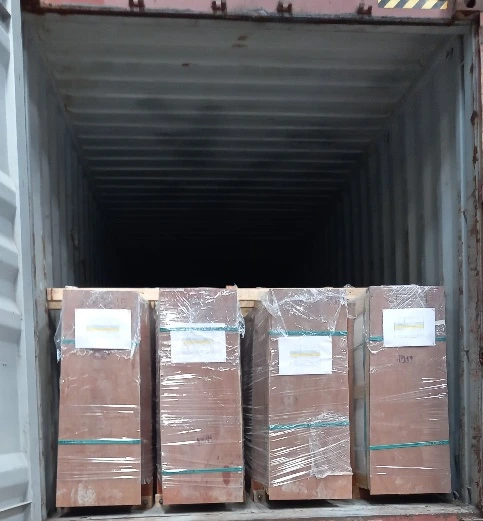
| Container Space Constraints | 20ft containers require precise spatial planning | Detailed load plans created before loading begins |
| Weight Balance Issues | Uneven weight creates handling risks | Reinforced crate construction with verified weight distribution |
| Moisture Exposure | Rain or humidity during loading causes problems | Fully covered loading area protects materials |
| Time Pressure | Urgent projects require rapid loading | Additional equipment and expanded team deployment |
| Destination Equipment Variance | Different forklift types at receiving locations | Universal 4-way design compatible with all standard forklifts |
| Crate Structural Failure | Weak crates collapse under forklift pressure | Hardwood construction with internal cross-bracing |
| Label Obscurity | Critical information not visible inside container | Large identification labels printed on all four crate sides |
| Transport Vibration | Road and ocean transport causes internal movement | Foam spacers and strategic tie-down systems used |
The outcome of this systematic approach speaks for itself:
"4-way crates were the key to a smooth unload. Each crate was secure, well-labeled, and it seems like not even a single piece was left damaged upon arrival. Local handling of a truly professional caliber."

Copyright © 2025 Oceanic6 Solutionz. All Rights Reserved.